Radiant, healthy skin powered by science and nature
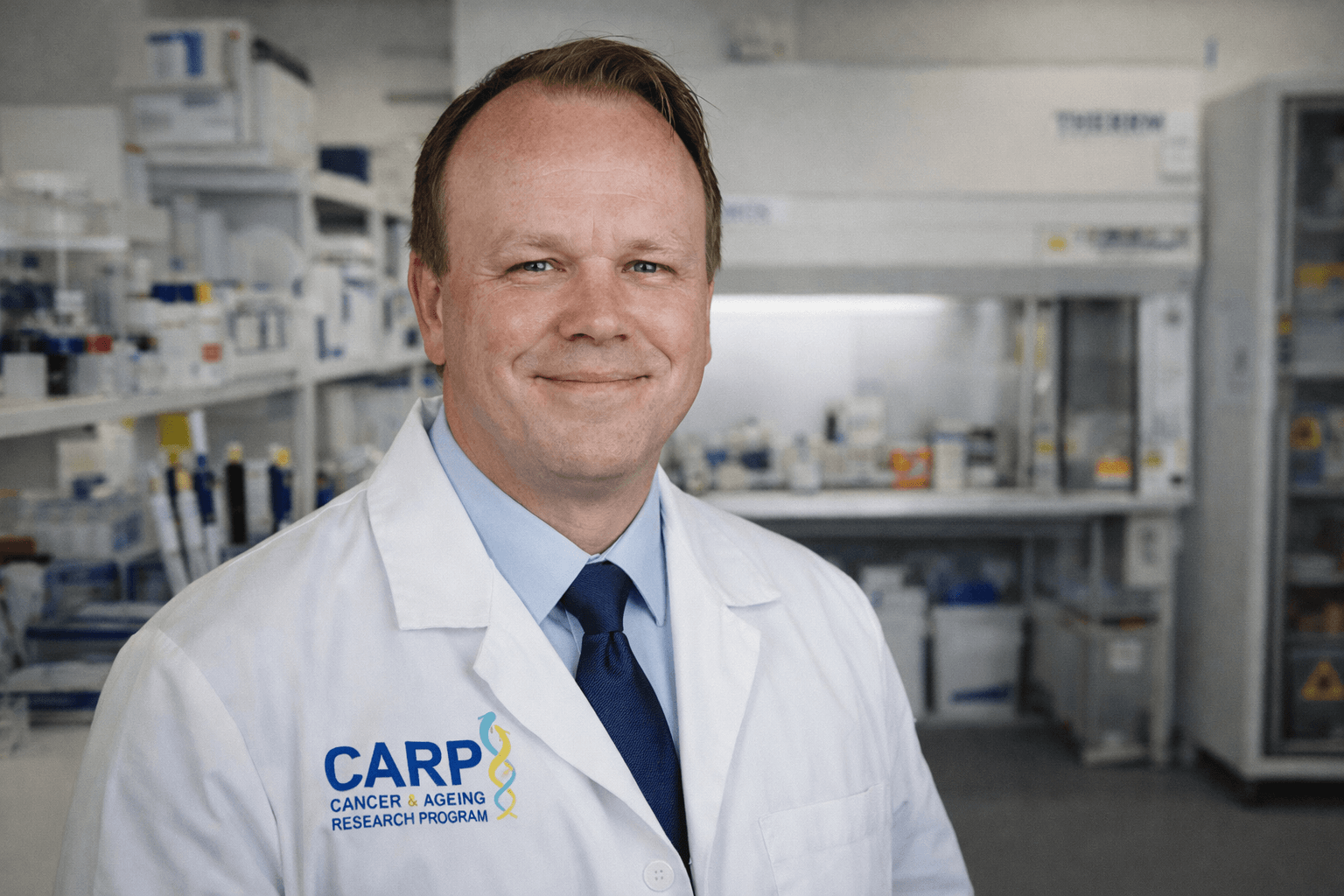
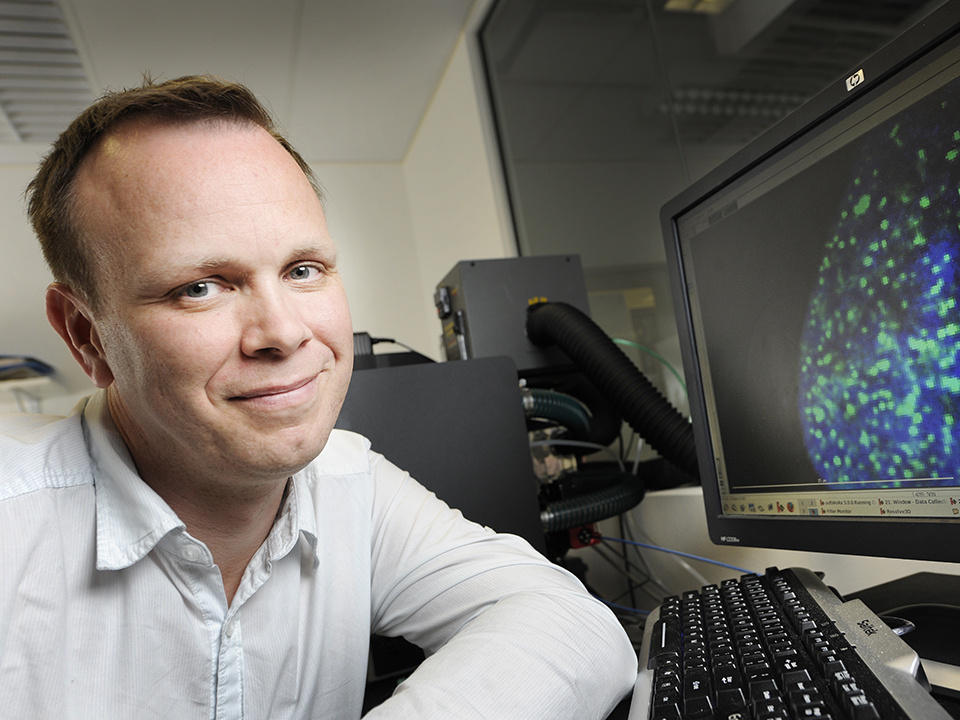
Developed by Professor Derek Richard, Nadair combines carefully selected botanical actives to help improve the
appearance of skin hydration, tone and radiance,
while visibly softening the signs of ageing.
Nadair Luxury Skincare Products — Science-Backed & Made in Brisbane
Brighter, firmer, more radiant skin — backed by a scientist who understands what works.
“Confidence in your own skin.
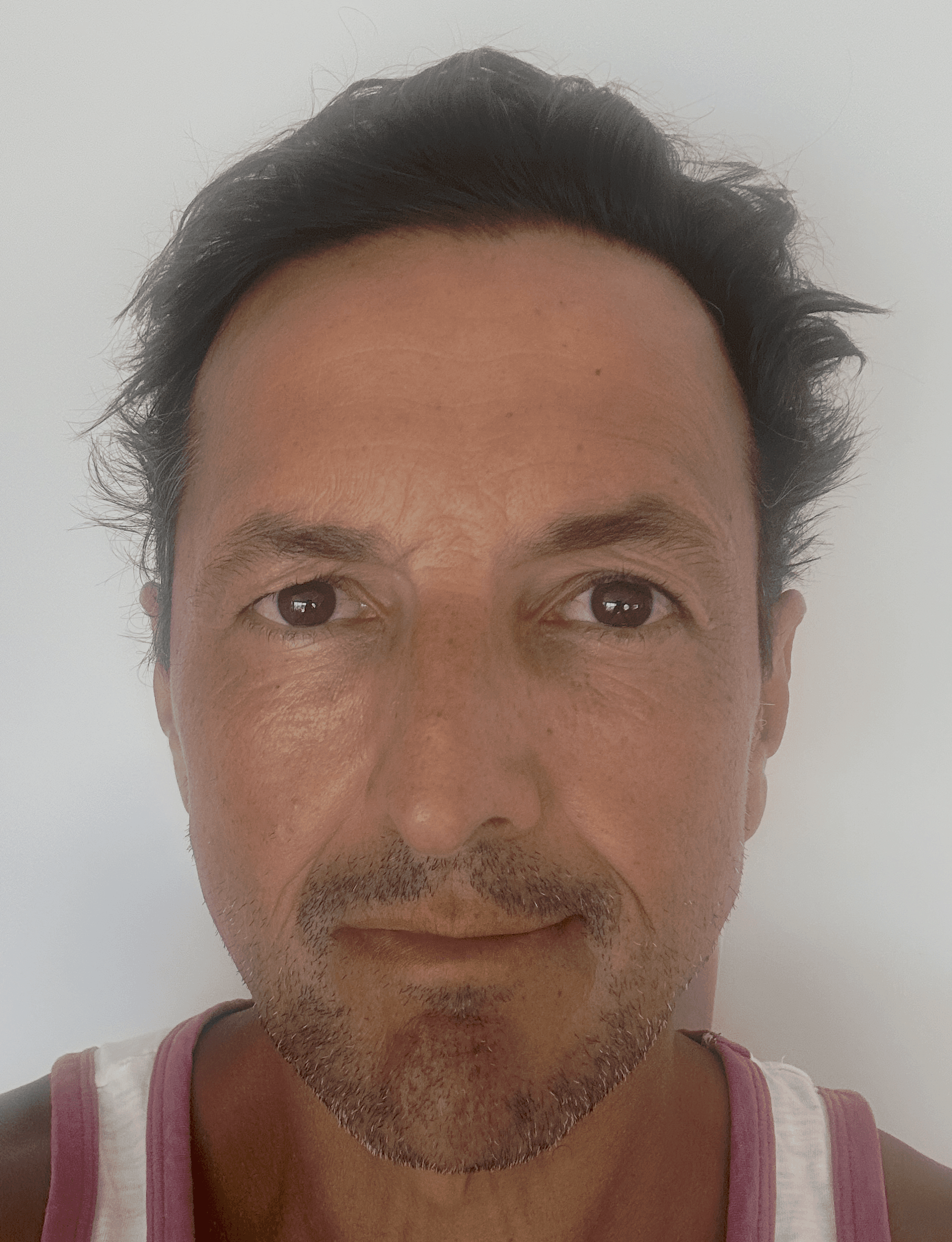
Chris Parsons
TV presenter - ‘Queensland Weekender’, ‘The Great South East’ and ‘Creek to Coast’
Real results on real skin. Chris noticed a visible difference after using Nàdair Serum consistently for four to five weeks — and women tell us the same.
The fine lines around my face are softer and not as deep, and my overall complexion feels healthier and more vibrant. What’s really stood
out to me is that I don’t look as tired there’s a fresher, more rested look that wasn’t there before.
The serum itself feels lightweight but rich, and when you look at the 14 hero ingredients in the formula, it makes sense. It’s clearly been
crafted with serious thought and scientific backing.
So far, so good — it’s doing an amazing job, and I’d highly recommend it.
How We Work.
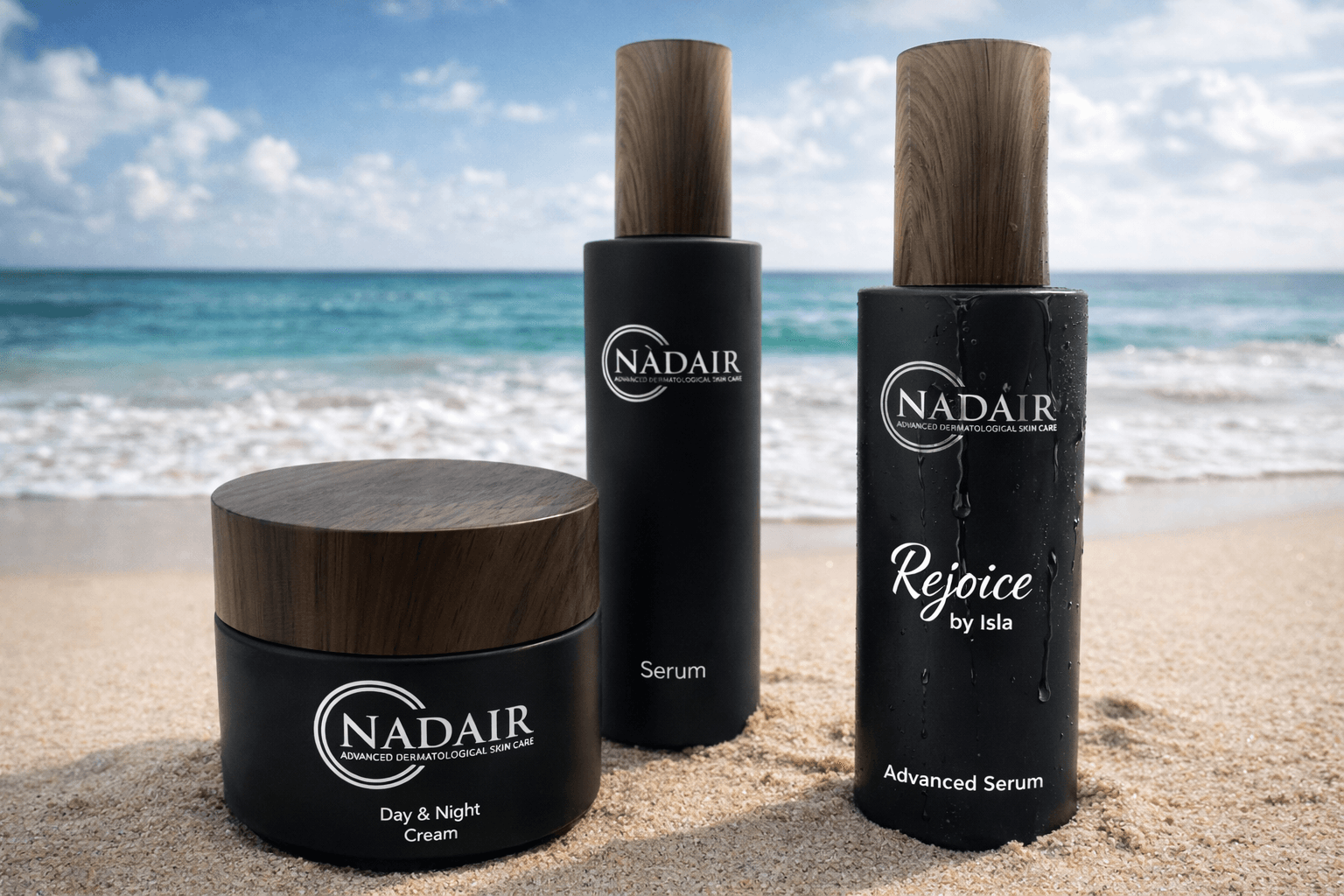
We believe great skincare should be simple. That’s why Professor Derek Richard distilled decades of scientific research into one easy routine — a serum, a day cream, and a night cream — designed to tackle multiple signs of ageing at once.
The best ingredients come from nature — and the best results come when science knows how to use them. Professor Derek Richard selected 14 proven natural actives and blended them into a single serum and a luxury day and night cream, so you get visible results without irritation or a 10-step routine.
What women are saying
Every day, women tell us their skin feels smoother, brighter, and more like them again. Here’s what a few of them had to say.
My skin looks fresher and feels smoother — I’ve stopped reaching for the foundation most mornings.
Rachel GibbonsCustomer
After four weeks, my skin had a glow I hadn’t seen in years. Simple routine, real results.
Sandy JacksonCustomer
What's On.
Skincare tips, ingredient guides, and honest advice to help you feel confident in your skin.
Ageing is in our DNA
Why We Age: A Genetic Stability and DNA Damage Repair Perspective
Aging, the inevitable process that marks the passage of time on our bodies, has long been a subject of fascination and inquiry. From the
cellular level to the organism as a whole, the mechanisms behind aging are complex and multifaceted. In recent years, a significant focus
has been placed on the role of genetic stability and DNA damage repair in understanding this intricate process.
At the heart of the matter lies the very blueprint of life itself—our DNA. This molecule, carrying the instructions for the development,
functioning, and reproduction of all living organisms, is remarkably resilient. However, it is not impervious to the wear and tear of time.
Throughout our lives, our DNA is constantly under assault from both external and internal factors, leading to a gradual accumulation of
damage.
The Genome: A Balancing Act
Our genome is a finely tuned balance between stability and plasticity. On one hand, stability ensures that the genetic information passed
from one generation to the next remains intact and functional. On the other, plasticity allows for adaptation to changing environments and
the development of diverse traits within a species.
Central to genetic stability are the mechanisms that maintain the integrity of our DNA. These include DNA repair pathways, which act as the
cellular maintenance crew, constantly surveilling our genetic material for any errors or damage. When these pathways function optimally,
they can repair most types of damage, from single-base mutations to double-strand breaks.
DNA Damage: The Silent Culprit
However, as we age, the efficacy of these repair mechanisms begins to decline. This decline is exacerbated by the accumulation of DNA damage
over time. The causes of this damage are manifold, ranging from environmental factors such as UV radiation and chemicals to internal
processes like oxidative stress.
Single-strand breaks, where one of the two strands of the DNA double helix is damaged, can be relatively common. Our cells have robust
mechanisms, such as base excision repair, to handle these lesions. However, when left unrepaired, these breaks can lead to mutations,
affecting the accuracy of DNA replication and potentially leading to cell death or dysfunction.
More severe forms of damage, such as double-strand breaks, pose an even greater threat to genetic stability. These breaks, if not repaired correctly, can result in chromosomal rearrangements, loss of genetic material, or activation of cell death pathways.
The Consequences of Unrepaired Damage
The consequences of this accumulated damage are profound. At the cellular level, it can lead to a loss of function, impaired cell division,
or activation of senescence, where cells enter a state of irreversible growth arrest. Senescent cells, while initially serving a protective
role by preventing the replication of damaged DNA, can accumulate over time and contribute to tissue dysfunction and inflammation.
Moreover, the mutations that arise from unrepaired DNA damage can have far-reaching effects. They can disrupt the function of critical
genes, leading to the development of age-related diseases such as cancer. Indeed, many cancers are characterized by a breakdown in DNA
repair mechanisms, allowing for the unchecked proliferation of damaged cells.
Genetic Stability and Beyond: The Aging Puzzle
Understanding the interplay between genetic stability, DNA damage repair, and aging is crucial for developing strategies to promote healthy
aging and combat age-related diseases. Researchers are exploring various avenues, from enhancing the efficiency of DNA repair pathways to
targeting senescent cells for elimination.
One promising area of research is the role of sirtuins, a family of proteins involved in regulating cellular processes such as DNA repair,
metabolism, and longevity. Studies have shown that activating sirtuins can improve DNA repair efficiency and extend lifespan in various
organisms.
Additionally, the emerging field of epigenetics offers insights into how environmental factors can influence gene expression without
altering the underlying DNA sequence. Changes in DNA methylation patterns, for example, have been linked to aging and age-related diseases.
Conclusion
In the grand tapestry of aging, genetic stability and DNA damage repair emerge as critical threads, weaving together our understanding of
this complex process. As we unravel the mysteries of our genetic code and the mechanisms that safeguard it, we gain valuable insights into
how we age and, importantly, how we might age more gracefully.
While the march of time remains inexorable, the hope is that by bolstering our cellular defenses and understanding the nuances of genetic
stability, we can pave the way for healthier, more vibrant aging. From the microscopic world of DNA repair pathways to the macroscopic
manifestations of aging in our bodies, the journey to unlock the secrets of longevity continues, offering promise for a future where age
truly becomes just a number.