Snow Mushroom vs Hyaluronic Acid: Which Is Better?
Compare snow mushroom and hyaluronic acid, two powerful hydrating ingredients. Discover which humectant suits your skin best. Read More…
Developed by Professor Derek Richard, Nadair combines carefully selected botanical actives to help improve the
appearance of skin hydration, tone and radiance,
while visibly softening the signs of ageing.
Your skin barrier is the silent shield that keeps you comfortable in your own complexion. When it is intact, skin looks plump, calm and luminous. When it is compromised, even the most expensive serum can sting, flake or trigger redness. Understanding how this barrier works is the first step toward lasting skin health and resilience.
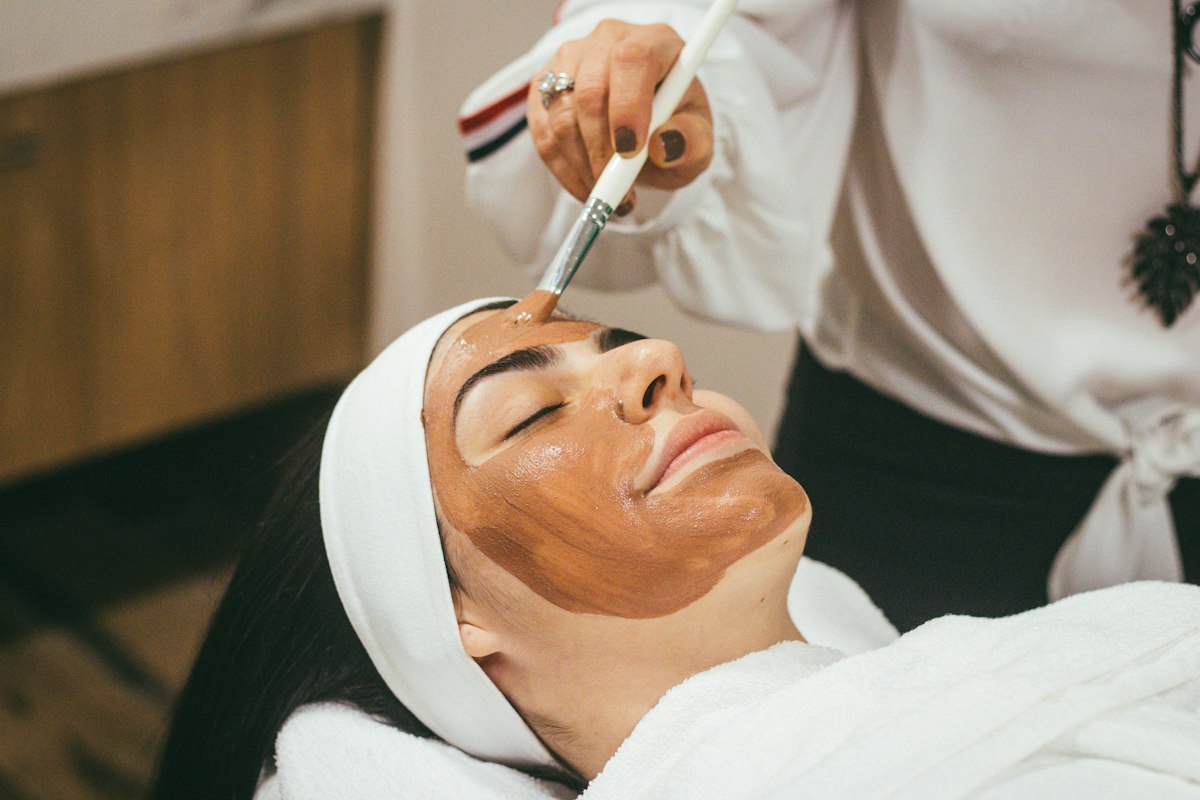
The term skin barrier usually refers to the stratum corneum, the outermost layer of the epidermis. Think of it as a brick wall: corneocytes are the bricks, and the lipid matrix of ceramides, cholesterol and free fatty acids is the mortar. This structure does two critical jobs. First, it prevents transepidermal water loss, keeping hydration where it belongs so that skin stays soft and supple. Second, it blocks environmental aggressors such as pollutants, allergens and pathogens from penetrating deeper tissue and triggering inflammation.
The barrier also maintains an acidic pH of around 5.5, often called the acid mantle. This acidity supports beneficial microbes while discouraging harmful bacteria. Enzymes that process lipids and filaggrin, a protein that helps form natural moisturising factors, both function best at this pH. When the acid mantle drifts toward alkaline, barrier repair slows and sensitivity rises. Harsh cleansers, over-exfoliation and alkaline soaps are common culprits that disturb this delicate balance.
Dermatology research consistently links barrier impairment to common skin complaints. Studies using tape-stripping and transepidermal water loss measurements show that disrupted lipid ratios correlate with dryness, eczema flares and increased reactivity. Trials supplementing topical formulations with ceramides, cholesterol and fatty acids in a 3:1:1:1 ratio have demonstrated faster restoration of barrier function after irritation than placebo moisturisers.
Niacinamide has also been extensively studied. At concentrations between two and five percent, it increases ceramide synthesis, reduces inflammation and improves the skin’s ability to retain water. Panthenol, which converts to pantothenic acid in the skin, supports wound healing and reduces trans-epidermal water loss. The cumulative evidence supports a multi-ingredient approach rather than relying on a single molecule or trendy active.
Barrier-focused care suits almost everyone, but it is especially valuable if you experience tightness after cleansing, redness, stinging with new products, flaking, or unexplained breakouts. People living in dry climates, frequent travellers exposed to changing humidity, and those using prescription retinoids or acids will also notice faster recovery when barrier repair is prioritised. Even oily and acne-prone skin benefits, because a compromised barrier can trigger inflammation that worsens congestion.
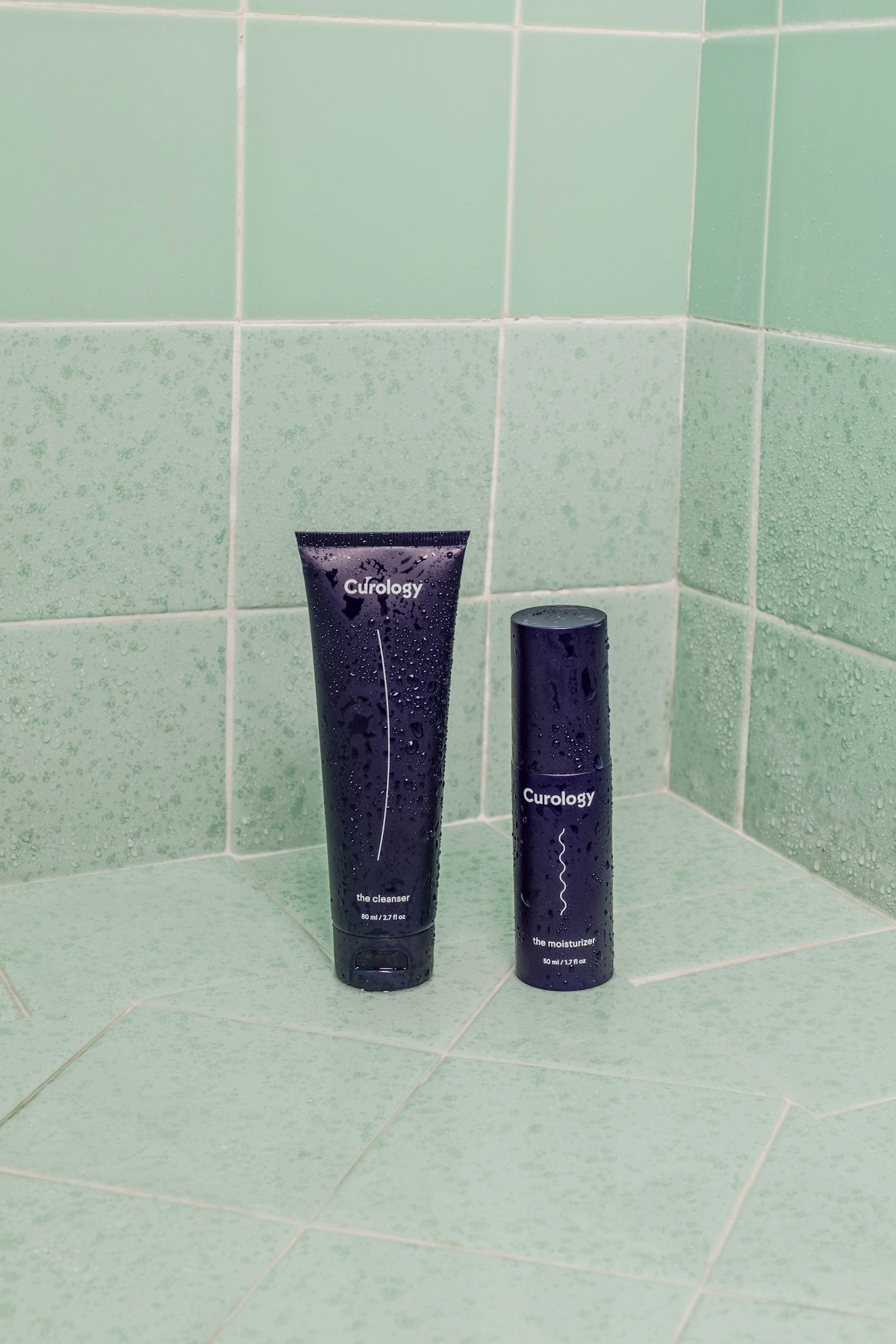
Start with a gentle, pH-balanced cleanser that removes dirt without stripping lipids. Avoid hot water and rough cloths, which can micro-tear the surface. While the skin is still slightly damp, apply a barrier-supporting serum or moisturiser containing ceramides, niacinamide or panthenol. Damp skin helps seal in hydration more effectively than waiting until the surface is completely dry.
Limit exfoliation to two or three times per week at most, and never layer strong acids over broken or irritated skin. Always finish your morning routine with a broad-spectrum sunscreen, because UV exposure is a major barrier disruptor. At night, a richer cream can reinforce the lipid matrix while you sleep, supporting the repair processes that peak during rest.
Look for ceramide complexes that include ceramides NP, AP and EOP alongside cholesterol and fatty acids. Niacinamide performs well at two to five percent. Panthenol is effective from one to five percent. Products labelled barrier repair or lipid-replenishing usually combine these in emollient bases. Avoid high concentrations of fragrance and essential oils if your skin is reactive, and choose formulations with a pH close to 5.5.
Most people notice reduced tightness within a few days of switching to barrier-friendly products. Redness and flaking typically improve within two to four weeks, while resilience against new actives builds over six to eight weeks. Consistency matters more than intensity. A stripped barrier cannot be fixed overnight, but it can recover remarkably well with the right support and patience.
Q: Can oily skin have a damaged barrier?
A: Yes. Oil production and barrier integrity are separate issues. Over-cleansing or over-exfoliating oily skin can strip the barrier and trigger rebound inflammation.
Q: How do I know if my cleanser is too harsh?
A: If your skin feels squeaky, tight or irritated immediately after cleansing, the formula is probably too alkaline or contains overly aggressive surfactants.
Q: Should I stop all active ingredients while repairing my barrier?
A: Not necessarily. Reduce frequency and concentration, then reintroduce actives slowly once sensitivity subsides. Retinoids and strong acids should usually be paused first.
Q: Is a thicker moisturiser always better?
A: Texture alone is not the marker. A well-formulated lightweight lotion with ceramides and niacinamide can outperform a heavy cream that lacks barrier lipids.
Snow Mushroom vs Hyaluronic Acid: Which Is Better?
Compare snow mushroom and hyaluronic acid, two powerful hydrating ingredients. Discover which humectant suits your skin best. Read More…
Panthenol: Pro-Vitamin B5 for Skin
Panthenol, also known as pro-vitamin B5, soothes and strengthens the skin barrier. Find out why it belongs in your daily routine. Read More…
Curcumin Extract: Brightening and Calming
Explore how curcumin from turmeric brightens skin tone and calms inflammation. A gentle ingredient for a radiant, balanced complexion. Read More…